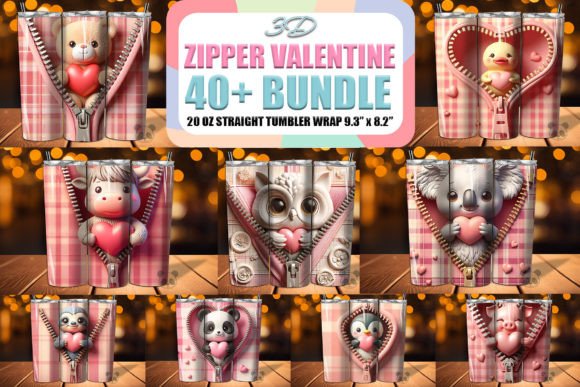
Valentine’s Day 3D Teddy Bear
Valentine’s Day is a time to express love, and the 3D printable teddy bear holding a heart offers a unique way to do just that. This design combines creativity with practicality, making it ideal for personal projects, gifts, or decorative displays. Whether you're a hobbyist, designer, or small business owner, this model provides a versatile foundation for expressing affection in a tangible form.
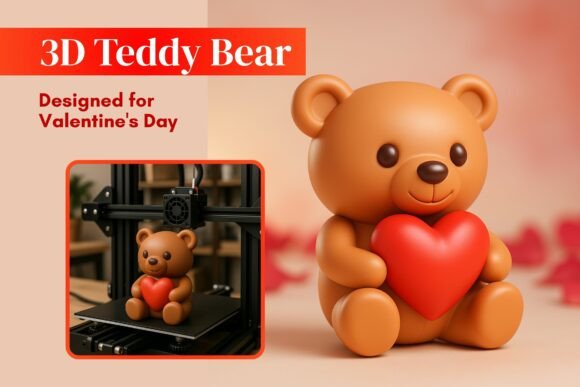
The 3D teddy bear is designed with smooth lines and a charming expression, capturing the essence of love in a simple yet meaningful way. The bear holds a heart, symbolizing care, devotion, and warmth. Its design is both nostalgic and modern, appealing to a wide range of audiences. With the right materials and settings, it can become a standout piece that adds a personal touch to any space.
Why This Design Stands Out
What makes the Valentine’s Day 3D teddy bear special is its balance of simplicity and customization. The model is ready to print in STL and OBJ formats, compatible with most FDM and resin 3D printers. This accessibility allows users to bring their vision to life without complex setup or advanced skills. The file is easy to adjust, meaning you can scale the size, change the color, or add details based on your preferences.
For those new to 3D printing, the model serves as an excellent starting point. It requires minimal support structures and has a straightforward orientation, reducing the risk of failed prints. Experienced users can experiment with different filaments, textures, or finishes to create a one-of-a-kind piece. The flexibility of the design ensures it can be adapted for various purposes, from personalized gifts to commercial products.
Creative Possibilities and Applications
The versatility of the 3D teddy bear opens up a range of creative possibilities. For example, a couple might print a matching set—one for each partner—to celebrate their relationship. A small business could offer custom-printed bears as part of a Valentine’s Day promotion, adding a personal touch to customer interactions. Educators might use the model to teach students about 3D design, printing, and creative expression.
Another idea is to incorporate the teddy bear into home decor. Placing it on a desk, shelf, or mantel creates a warm, inviting atmosphere. Pairing it with other Valentine’s Day elements, like candles, cards, or ornaments, enhances the overall theme. For a more interactive approach, users could create a mini scene with the bear and heart, using other 3D models or handmade elements to build a narrative.
Artists and designers can also explore different styles. A minimalist version might focus on clean lines and subtle colors, while a more elaborate design could include intricate patterns, metallic finishes, or embedded LED lights. These variations allow the model to fit different aesthetics, whether modern, vintage, or whimsical.
Adapting for Different Goals and Audiences
The 3D teddy bear can be tailored to suit various goals and audiences. For instance, a marketer might use it as a promotional item, printing it in brand colors and attaching a logo. A blogger could feature the model in a DIY tutorial, showing readers how to customize and print it. Entrepreneurs might sell pre-printed versions online, offering options for size, color, and material.
For educators, the model provides a hands-on learning opportunity. Students can explore the design process, from downloading the file to adjusting settings and printing. This experience helps develop technical skills while encouraging creativity. Additionally, the project can be integrated into lessons on art, technology, or even social-emotional learning, where students express feelings through design.
Hobbyists and makers can use the model as a base for more complex projects. Adding features like a stand, background, or additional accessories can transform the bear into a centerpiece for a display or a gift. The ability to modify the design means there are no limits to how it can be used, making it a valuable resource for anyone interested in 3D printing.
Practical Tips for Printing Success
To get the best results, it's important to consider printing settings and materials. Using a high-quality filament, such as PLA or PETG, ensures durability and a smooth finish. Adjusting the infill density and layer height can affect the strength and appearance of the final product. For resin prints, proper post-processing, including washing and curing, is essential for a polished look.
Orientation plays a key role in the success of the print. Printing the bear upright reduces the need for supports and minimizes surface imperfections. Users should also test the model at a smaller scale before committing to a full print, allowing them to fine-tune settings and materials. Keeping the design organized and consistent helps maintain quality across multiple prints.
Finally, sharing the results with others can inspire further creativity. Posting photos or videos of the finished bear on social media or 3D printing communities encourages feedback and collaboration. It also highlights the potential of the model, showing how it can be adapted and improved by different users.