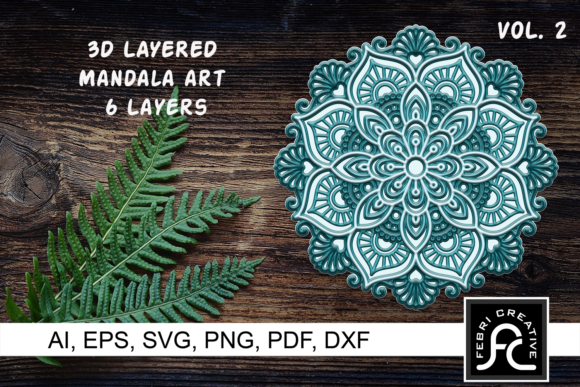
3D Layered Mandala Art: A New Dimension in Digital Creativity
In the ever-evolving landscape of digital art and design, 3D Layered Mandala Art has emerged as a compelling and versatile medium that bridges traditional symbolism with modern technology. This innovative form of art combines the intricate patterns of mandalas with the depth and dimensionality of 3D modeling, offering creators a unique tool for expression, branding, and commercial use. Whether you're a designer, marketer, or entrepreneur, understanding the value of 3D Layered Mandala Art can open up new possibilities for your creative workflow.
What is 3D Layered Mandala Art?
At its core, 3D Layered Mandala Art is a fusion of two distinct artistic traditions: the meditative, symmetrical designs of mandalas and the advanced capabilities of 3D digital tools. Mandalas have long been used in spiritual practices and decorative arts, symbolizing unity, balance, and harmony. By layering these patterns in three dimensions, artists can create visually stunning pieces that offer both aesthetic appeal and technical complexity.
The result is a dynamic visual experience where each layer adds depth, texture, and interactivity. These layers can be manipulated independently, allowing for customization and adaptability across different platforms and applications. This makes 3D Layered Mandala Art particularly valuable in fields such as graphic design, animation, and digital marketing.
Why 3D Layered Mandala Art Matters in Today’s Market
As digital creativity continues to evolve, so do the expectations of consumers and professionals alike. The demand for high-quality, customizable, and multi-functional digital assets has never been higher. 3D Layered Mandala Art meets this demand by providing a rich, scalable format that can be adapted to various uses—from branding elements to interactive media.
This trend aligns with broader shifts in the creative industry, where flexibility and innovation are key drivers of success. With the rise of digital content consumption, businesses and individuals are seeking tools that allow them to stand out in a crowded market. 3D Layered Mandala Art offers a way to do just that, combining beauty with functionality in a way that resonates with modern audiences.
How 3D Layered Mandala Art Fits Into Creative Workflows
For designers, artists, and marketers, integrating 3D Layered Mandala Art into their workflows can enhance productivity and creativity. The availability of multiple file formats—such as SVG, DXF, AI, EPS, PDF, and PNG—ensures that these assets can be used across different software and platforms. This versatility is especially beneficial for professionals who work with a variety of tools and need seamless compatibility.
Consider a digital marketer looking to create engaging social media content. By using 3D Layered Mandala Art, they can generate eye-catching visuals that not only capture attention but also reflect a brand's identity. Similarly, an entrepreneur launching a new product line could leverage these designs to create unique packaging or promotional materials that differentiate their offerings in the marketplace.
The Role of Technology in Advancing 3D Layered Mandala Art
Advancements in digital design software have played a crucial role in the popularity of 3D Layered Mandala Art. Tools like Adobe Illustrator, Blender, and other 3D modeling applications now support complex layering and rendering techniques, making it easier than ever to create and manipulate these designs. This technological progress has lowered the barrier to entry, allowing more artists and creators to experiment with this style.
Moreover, the integration of 3D Layered Mandala Art with augmented reality (AR) and virtual reality (VR) is opening up new frontiers for interactive experiences. Imagine a customer exploring a product in a virtual environment, where the design elements are not just static images but dynamic, layered compositions that respond to user interaction. This level of engagement is becoming increasingly important in the digital age, where user experience is a key differentiator.
Practical Applications of 3D Layered Mandala Art
The practical applications of 3D Layered Mandala Art extend beyond the creative field. In the realm of education, these designs can be used to teach concepts related to geometry, symmetry, and design principles. Their visual complexity makes them ideal for illustrating abstract ideas in a tangible and engaging way.
In the wellness industry, 3D Layered Mandala Art is being used to create calming and meditative environments. Digital mandalas can be incorporated into apps, websites, or even physical spaces, helping users achieve a sense of balance and mindfulness. This intersection of art and well-being reflects a growing consumer interest in holistic and experiential products.
Why People Are Paying Attention to 3D Layered Mandala Art
There are several reasons why 3D Layered Mandala Art is gaining traction among professionals and enthusiasts. One key factor is its ability to evoke emotion and meaning. Mandalas have long been associated with spiritual and emotional significance, and by adding a 3D dimension, these designs become even more powerful in conveying messages and creating connections.
Another reason is the increasing demand for personalized and unique content. In a world where mass-produced designs are commonplace, 3D Layered Mandala Art offers a way to create something truly one-of-a-kind. This is particularly appealing to brands and individuals looking to establish a distinct identity in their respective markets.
Preparing for the Future of Digital Art
As we look ahead, it's clear that 3D Layered Mandala Art will continue to play a significant role in the creative and technological landscape. The ongoing development of digital tools and platforms will further expand the possibilities for artists and designers, enabling them to push the boundaries of what is possible with this medium.
For professionals, staying informed about these trends and investing in high-quality digital assets like 3D Layered Mandala Art can provide a competitive edge. Whether you're looking to enhance your portfolio, improve your marketing strategy, or explore new creative avenues, these designs offer a valuable resource that can be adapted to a wide range of needs and goals.
Conclusion
3D Layered Mandala Art represents a fascinating convergence of tradition and technology, offering a fresh approach to digital design and creativity. Its ability to blend aesthetic beauty with functional versatility makes it an essential tool for professionals in various industries. As the demand for high-quality, customizable digital assets continues to grow, 3D Layered Mandala Art stands out as a powerful and relevant choice for those looking to innovate and inspire.