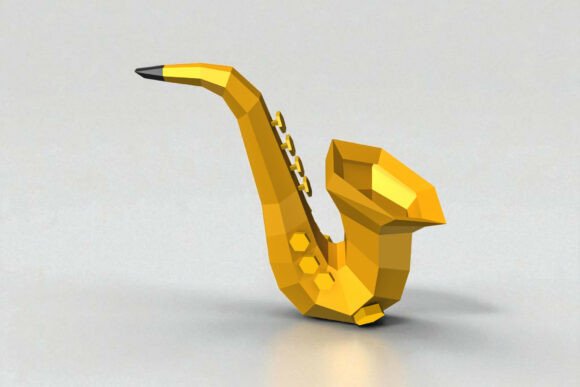
Saxophone 3D Papercraft
Transform your creative space with the Saxophone 3D Papercraft, a unique and engaging project that brings musical artistry into the realm of paper. This detailed papercraft kit offers an immersive experience for hobbyists, artists, and educators looking to explore the intersection of music and craftsmanship. With clear instructions and high-quality templates, it's a perfect way to bring a classic instrument to life in three dimensions.
The Saxophone 3D Papercraft is more than just a model—it's a canvas for personal expression. Whether you're crafting for fun, education, or display, this project allows you to customize every detail. From choosing the right paper stock to adding your own finishing touches, there are countless ways to make the final piece uniquely yours.
What Makes It Unique
Unlike traditional 3D puzzles, the Saxophone 3D Papercraft offers a level of detail and realism that sets it apart. The design captures the intricate curves and textures of a real saxophone, making it a stunning addition to any collection. The file formats included—PDF, DXF, EPS, PNG, and JPG—ensure flexibility for different printing and cutting methods, giving users the freedom to work with their preferred tools.
One of the most appealing aspects of this project is its accessibility. You don't need advanced crafting skills or expensive equipment to complete it. A colored printer, glue, scissors, and a few basic tools are all that's needed to get started. The assembly process takes between 2 to 3 hours, making it a manageable project for anyone with a passion for hands-on creativity.
Creative Possibilities
The Saxophone 3D Papercraft opens the door to a wide range of creative applications. Artists can use it as a base for custom painting or digital enhancements, while educators can incorporate it into music or art classes as a tactile learning tool. Marketers and designers might find it useful for product demonstrations or promotional displays, offering a physical representation of a musical instrument in a compact form.
For hobbyists, the project provides an opportunity to experiment with different materials and finishes. Using textured paper, metallic foils, or even LED lighting can add a modern twist to the classic design. The modular nature of the template also allows for variations—users can adjust the size, color scheme, or even combine multiple models to create a larger installation.
Adapting for Different Goals
This papercraft project is highly adaptable, making it suitable for a variety of purposes. For instance, musicians and music enthusiasts can use it as a decorative centerpiece in their home studio or practice room. Entrepreneurs might consider selling finished models as part of a creative merchandise line, especially if they target niche markets like music lovers or craft enthusiasts.
Educators can integrate the Saxophone 3D Papercraft into lessons on music history, instrument anatomy, or engineering principles. Students can learn about the structure of a saxophone while developing fine motor skills through the assembly process. The project also encourages teamwork and collaboration, as it can be completed in groups or as part of a classroom activity.
Bloggers and content creators can use the project as a source of inspiration for tutorials, unboxing videos, or DIY challenges. Sharing the process of assembling the model can engage audiences and spark conversations around creativity and craftsmanship. By highlighting the practical steps involved, creators can offer valuable insights that resonate with their followers.
Practical Tips for Success
To ensure the best results, start by selecting the right paper stock. Cardstock is recommended for durability, but users can experiment with other materials based on their preferences. Printing the templates at full size is essential to maintain accuracy, so double-check that your printer settings are correctly configured.
Scoring the paper before folding helps achieve clean, sharp edges. A bone folder or non-working ballpoint pen can be used for this step. When gluing the pieces together, use a small amount of adhesive to avoid warping the paper. Taking your time during the assembly process will lead to a more polished and professional-looking result.
Finally, consider how you want to display or present your finished model. A simple frame, shadow box, or custom stand can enhance its visual appeal. Adding labels or descriptions can also provide context, especially if the model is intended for educational or exhibition purposes.
Conclusion
The Saxophone 3D Papercraft is a versatile and rewarding project that combines creativity with practicality. Whether you're a seasoned crafter or new to papercraft, this model offers a fun and fulfilling way to explore the world of music and design. With its detailed templates, easy-to-follow instructions, and endless customization options, it's a project that can inspire and engage people of all ages and interests.